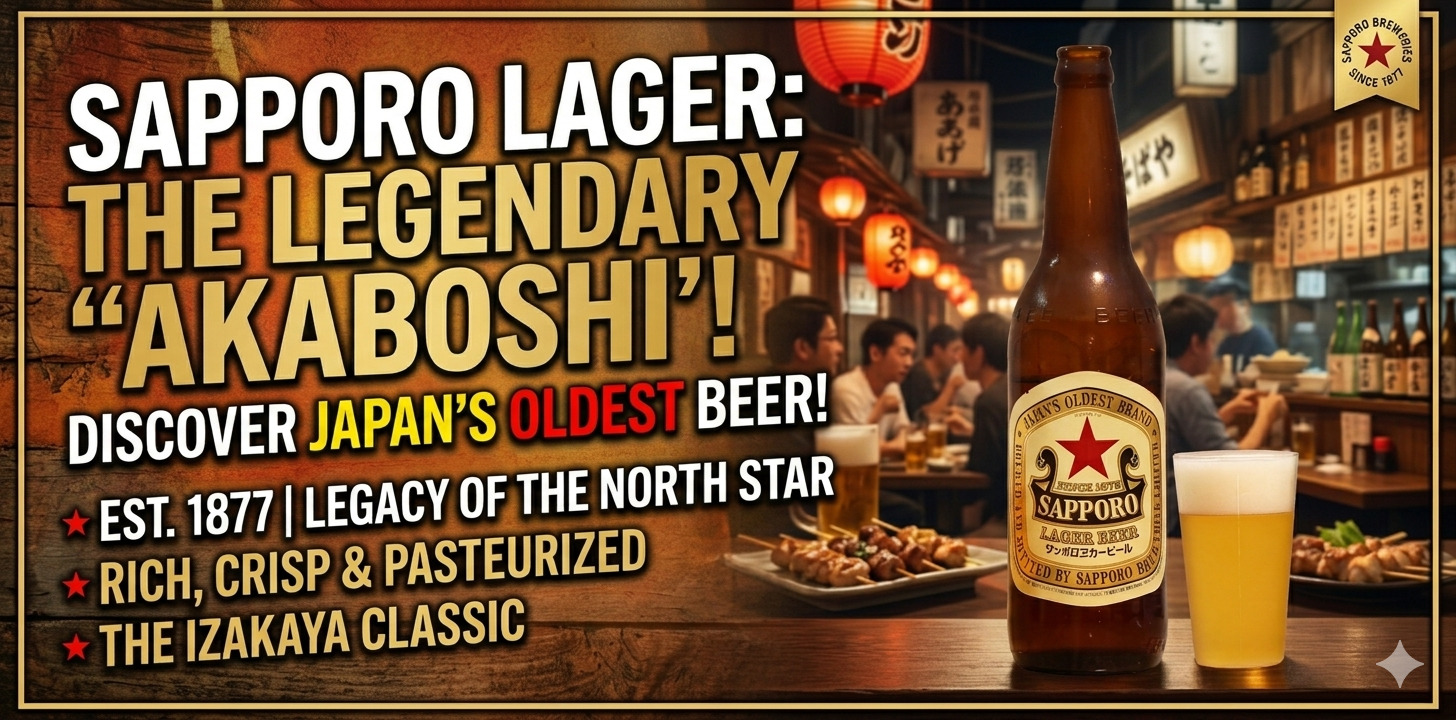
Walk through the neon-lit streets of any Japanese city at night, and you are bound to see the word “SAPPORO” everywhere. It usually appears on a sleek, silver can adorned with a bright yellow star. This is Sapporo Black Label (known internationally as Sapporo Premium), a staple at Japanese restaurants worldwide.
However, if you want to dive into the deep, authentic heart of Japanese drinking culture, you need to look for a different star. It is a bottle quietly chilling in the fridges of select neighborhood taverns, bearing a label with a retro, crimson star—affectionately known by locals as “Akaboshi” (The Red Star).
Why do Japanese beer connoisseurs and savvy travelers obsessively hunt for this elusive red-starred bottle? Here is the story behind Japan’s ultimate insider beer.
1. The Romance of Japan’s Oldest Surviving Beer Brand
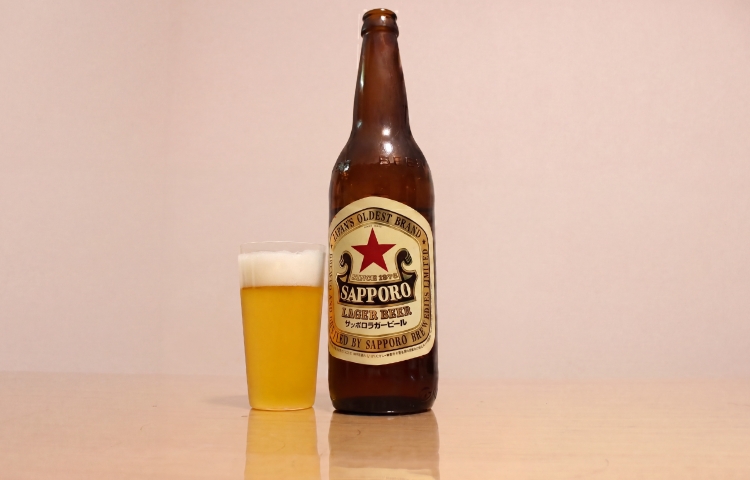
“Akaboshi” is the nickname for Sapporo Lager Beer. Its history traces back to 1877 (Meiji 10), during the dawn of Japan’s modernization. It holds the proud title of the oldest surviving beer brand in the country.
The red star at the center of the label is not just a design; it represents the North Star, the official symbol of the Kaitakushi (the Pioneers who developed Hokkaido in the late 19th century). The very same star that Japan’s brewing pioneers looked up to in the northern night sky still shines on the bottle today. Ordering an Akaboshi isn’t just about having a drink; it’s a sip of liquid history.
2. Rejecting Trends: The Rich Depth of a Pasteurized Lager and Its Hidden Ingredients
In today’s Japanese market, ultra-crisp, light “Draft Beer” (unpasteurized beer) reigns supreme. But Akaboshi proudly bucks the trend by sticking to its traditional roots: it is a pasteurized lager.
By applying heat at the end of the brewing process, the yeast is deactivated. While modern draft beers focus on sharp refreshment, this classic method locks in a rich, full-bodied maltiness and a wonderfully robust, pleasant bitterness.
The Secret of the Recipe: Rice, Corn, and Starch
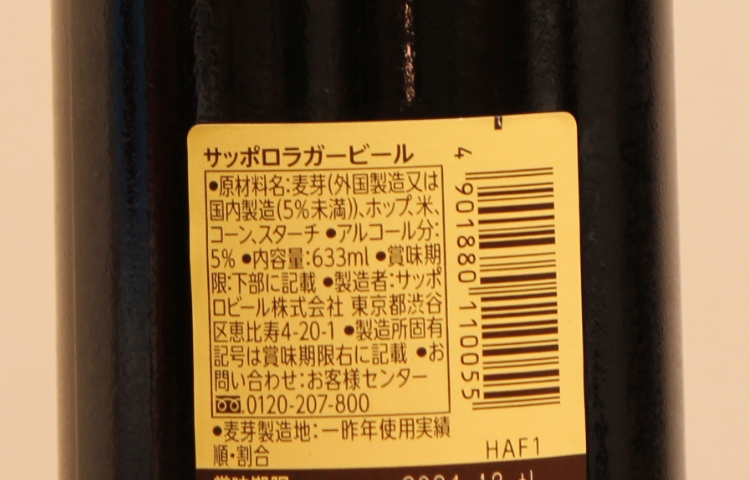
If you look closely at Akaboshi’s ingredient list, you will find more than just malt and hops; it also contains rice, corn, and starch.
While craft beer purists often praise “100% malt” brews, Akaboshi uses these traditional adjuncts for a very specific reason. This precise blend is what creates its signature clean, crisp finish and prevents the beer from feeling too heavy on the palate.
It is a time-tested recipe designed to perfectly complement savory, rich, and oily Japanese pub foods like yakitori (skewered grilled chicken), motsunikomi (tripe stew), and fried gyoza dumplings.
3. The Curious Case of the 633ml Large Bottle
When you order an Akaboshi, it won’t come in a standard aluminum can. It is almost always served in a hefty glass bottle containing exactly 633ml, known in Japan as an Ohbin (large bottle).
Why such a highly specific, seemingly random number like 633ml instead of a clean 600ml or 650ml?
The answer lies in Japanese history. In 1940, when the government decided to standardize beer bottle capacities to simplify liquor tax laws, they measured all the existing bottles from various breweries. It turned out that the smallest “large bottle” in circulation at the time was exactly 633ml.
By setting the national standard to the smallest size, every brewery’s existing bottle inventory could be reused without wasting resources—larger bottles could simply be filled up to the 633ml line. It is a brilliant quirk of historical resourcefulness that survives on Izakaya tables to this day.
4. The Golden Rule: “If a Place Has Akaboshi, the Food is Guaranteed to be Great”
You won’t find Akaboshi sitting on the shelves of your neighborhood convenience store or supermarket. Sapporo distributes it almost exclusively in glass bottles to bars and restaurants—and even then, only to a select few.
Akaboshi is found in places with character: rustic izakayas with weathered curtains, smoky yakitori joints, and cozy, neighborhood Chinese diners (Machi-Chuka). These are the authentic local spots that preserve the nostalgic charm of Japan’s retro Showa era.
Among Japanese foodies, there is an unwritten rule: “An establishment that serves Akaboshi respects the history and craft of beer. Therefore, their food is bound to be incredible.”
In essence, that little red star acts as a built-in compass, guiding you straight to the most authentic culinary hidden gems.
5. The Art of the Shared Bottle: Omotenashi in a Glass
When your server brings that iconic 633ml bottle, they will also provide a set of tiny, delicate glass tumblers. This setup unlocks one of the most beautiful aspects of Japanese drinking etiquette.
Unlike Western cultures, where people usually drink straight from their own bottles or pints, the Japanese way is to pour for one another.
Exchanging pours while saying “Dozo” (Here you go) and “Arigato” (Thank you) breaks down social barriers and fosters a warm, communal atmosphere. It turns a simple drink into a shared experience, and Akaboshi is the ultimate catalyst for this connection.
Conclusion: On Your Next Trip, Hunt for the Crimson Star
If you want to bypass the tourist traps on your next journey to Japan and experience the everyday life of locals winding down after work, skip the flashy hotel bars. Head down a narrow alleyway where red lanterns glow.
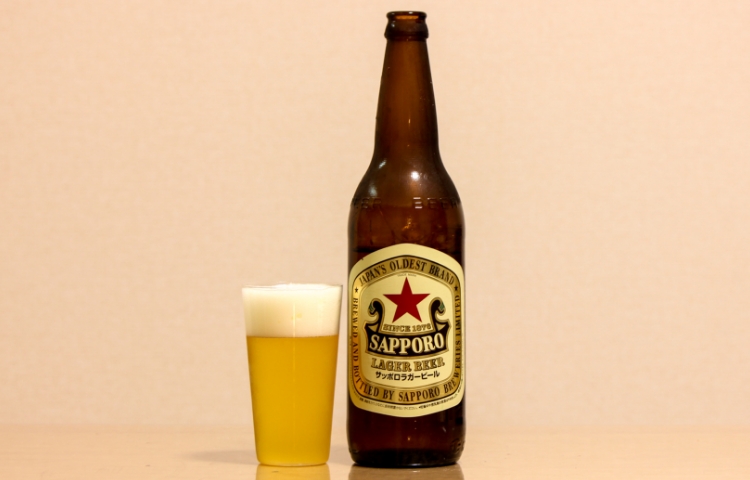
Slide open the door, take a seat at the counter, and say these magic words to the bartender: “Akaboshi, Ohbin de!” (An Akaboshi large bottle, please!)
As the golden liquid fills your tiny glass, you’ll cease to be just a tourist. You will have officially become a part of the true Japanese night.